is leprosy bacterial Leprosy fact sheet
Leprosy, a misunderstood and often stigmatized disease, is not inherited but can be transmitted from person to person. This infectious disease, also known as Hansen’s disease, primarily affects the skin and nerves, causing severe and disfiguring skin sores. It is crucial to understand the facts surrounding leprosy in order to debunk myths and misconceptions associated with this condition. Leprosy is caused by a slow-growing bacterium called Mycobacterium leprae. Although the exact mode of transmission is not entirely clear, it is believed to spread through respiratory droplets from infected individuals. It is important to note that the disease is not highly contagious and not easily transmitted in common social settings. Close and prolonged contact with untreated individuals is usually necessary for transmission to occur. The symptoms of leprosy can vary widely, depending on the individual’s immune response to the infection. The disease primarily affects the skin, causing the development of skin lesions and sores, particularly on cooler parts of the body such as the hands, feet, and face. These sores may be accompanied by numbness or a loss of sensation in the affected areas, which can lead to further complications if left untreated. In severe cases, leprosy can also affect the eyes, nerves, and other organs. To illustrate the impact of leprosy, let’s consider some real-life stories. One individual, who prefers to remain anonymous, shared their experience with the disease. They explained that it all began with a small patch of discolored skin on their arm. Over time, the patch grew larger and became numb. After seeking medical attention, they were diagnosed with leprosy and started treatment immediately. Fortunately, early detection and intervention prevented further complications, and the individual was able to live a normal life after completing the prescribed medication. It is crucial to promote awareness and understanding about leprosy to eliminate the associated stigma and discrimination. Education plays a crucial role in dispelling myths and fostering compassion towards individuals affected by the disease. By debunking misconceptions and providing accurate information, we can help combat the unjust treatment that leprosy patients often face. In addition to medical intervention, social support is essential for those living with leprosy. Many organizations and non-governmental entities are working tirelessly to provide support for leprosy patients, both in terms of healthcare and psychological assistance. These initiatives aim to empower individuals affected by the disease, helping them regain their independence and reintegrate into society. Images play a powerful role in raising awareness about leprosy, allowing us to visualize the impact it has on individuals’ lives. The first image shows a health practitioner discussing leprosy, emphasizing that it is not a hereditary condition but rather one that can be transmitted. The second image captures the disfiguring skin sores characteristic of leprosy. Leprosy remains a challenge in many parts of the world, particularly in developing countries with limited access to healthcare. Governments and international organizations are working towards the early detection and treatment of leprosy, as well as developing strategies to reduce the stigma surrounding the disease. In conclusion, leprosy is an infectious disease that, although not hereditary, can be transmitted from person to person. By understanding the facts surrounding leprosy, promoting awareness, and providing support to those affected, we can work towards eliminating the stigma and discrimination associated with this condition. Let’s stand together in compassion and empathy, supporting individuals living with leprosy and working towards a world free from prejudice.
If you are looking for Leprosy Is Not Hereditary But Can Be Transferred - Health Practitioner you’ve came to the right web. We have 5 Pictures about Leprosy Is Not Hereditary But Can Be Transferred - Health Practitioner like Leprosy Fact Sheet | Africa Health Organisation, Leprosy bacteria use ‘biological alchemy’ | Stem cell research, Science and nature, Science nature and also Leprosy disease causes, symptoms, diagnosis, treatment and cure. Here you go:
Leprosy Is Not Hereditary But Can Be Transferred - Health Practitioner
 www.ghgossip.comleprosy health practitioner transferred hereditary india but disease
Leprosy Fact Sheet | Africa Health Organisation
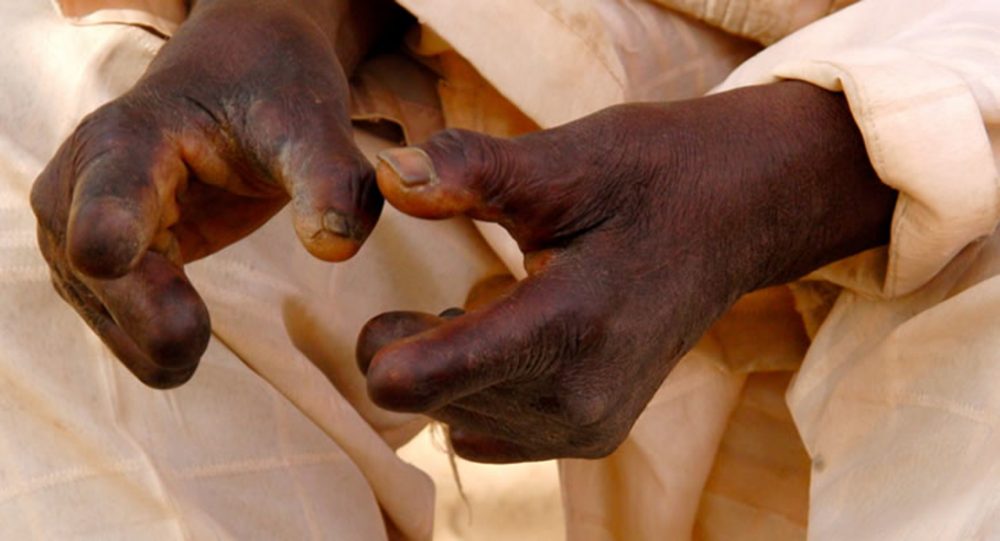 aho.orgleprosy leprae bacillus hansens chronic infectious mycobacterium acid ago
Leprosy Bacteria Use ‘biological Alchemy’ | Stem Cell Research, Science And Nature, Science Nature
 www.pinterest.comleprosy bacteria bbc biological alchemy cell microscopic use cells performing caught infectious been first time transform host parts body into
Leprosy Is An Infectious Disease That Causes Severe, Disfiguring Skin Sores, The Peripheral
 thecomment.ngleprosy ketong leprae bacteria sores infectious greed plateau causes disfiguring thecomment
Leprosy Disease Causes, Symptoms, Diagnosis, Treatment And Cure
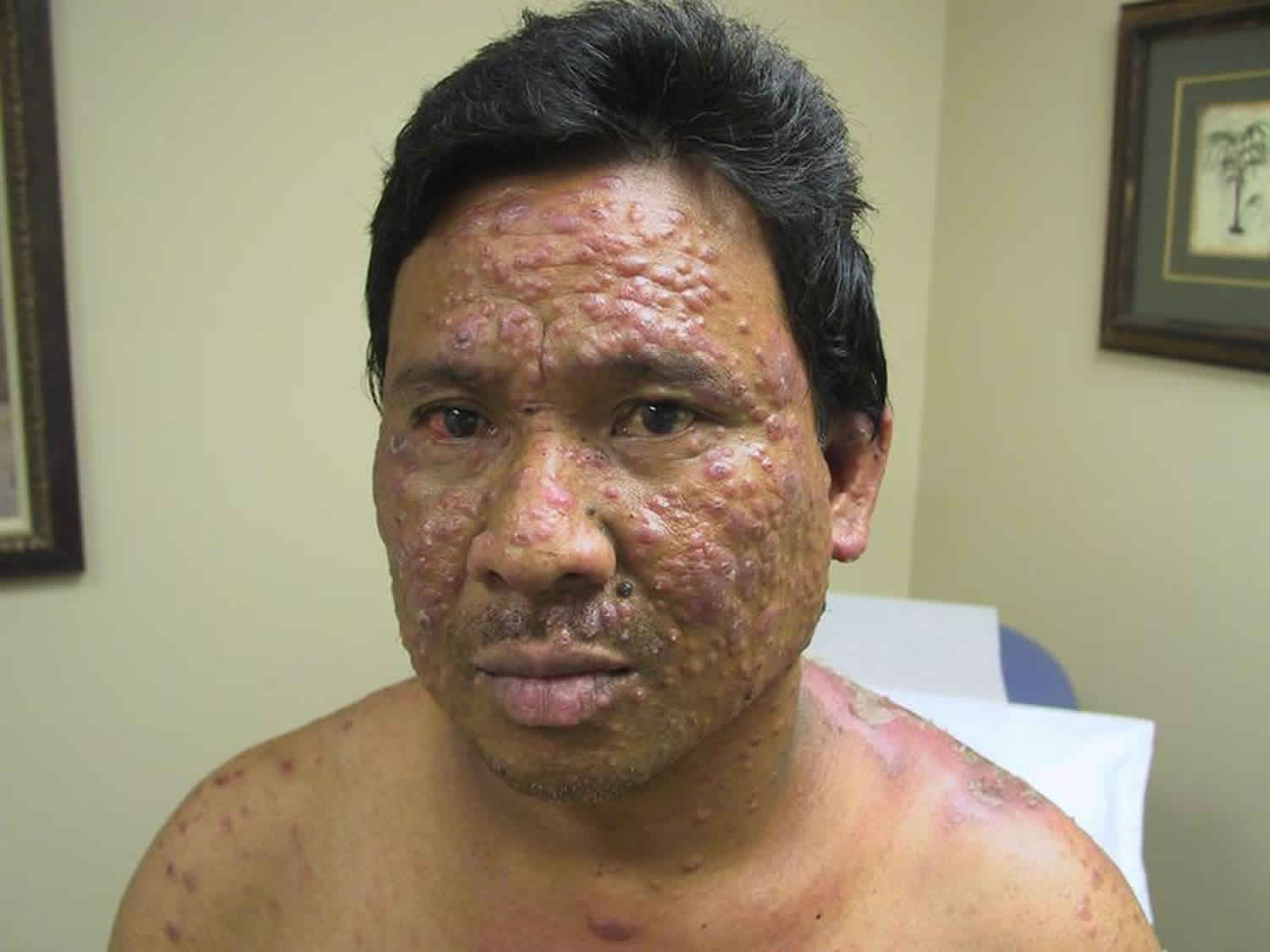 healthjade.comleprosy disease leprae mycobacterium cure lepromatous contagious symptoms facies leonine there causes medbullets hansen treatment contents hand diagnosis nodular
Leprosy fact sheet. Leprosy leprae bacillus hansens chronic infectious mycobacterium acid ago. Leprosy bacteria bbc biological alchemy cell microscopic use cells performing caught infectious been first time transform host parts body into